 Alwazour Technical
Alwazour Technical
Alwazour Technical
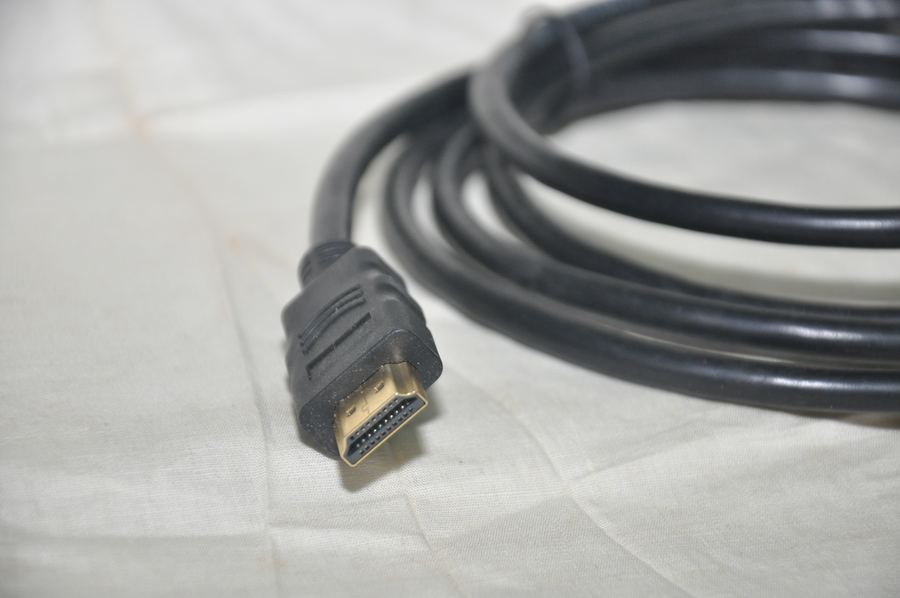
CVT-HDMI-DP
Feeds an HDMI source into a DisplayPort monitor input.
HDMI and DisplayPort use different physical-layer signal encoding (TMDS vs DisplayPort's own protocol), so converting between them needs an active format-converter chip, not a passive wire-for-wire adapter -- that is the real reason this cable needs a USB power connection to function.
From its box
Scroll to explore
End A
Technical illustration, not a photo of the actual product
End B
Technical illustration, not a photo of the actual product
End C
Technical illustration, not a photo of the actual product
How it works
One end is a genuinely different standard from the other, so wires alone cannot bridge them the way a same-standard cable can. A small circuit inside one of the plugs decodes the incoming signal and re-encodes it as the other standard, usually drawing its power from HDMI's own 5V line or a separate USB lead.
Technical illustration, not a photo of the actual product
From the published standard
HDMI and DisplayPort are both digital, but they use different signalling protocols — HDMI sends a constant TMDS-encoded stream, DisplayPort sends packetised data over micro-packets. That difference means a simple wire cannot convert between them; the cable needs a real conversion chip to rebuild the signal, which is why this cable carries an extra USB-A connector — to power that chip. Direction matters: this cable feeds an HDMI source into a display's DisplayPort input, not the other way round.
This information comes from published sources about this type of product, not from the supplier.
| Type | HDMI |
|---|---|
| Connectors | HDMI / USB-A / DisplayPort |
Ask on WhatsApp, and get an answer from a team that actually knows the stock.
Request a quote on WhatsApp